Roof Maintenance
Why Proper Ventilation and Insulation Matter for Your Roof
September 22, 2025 · Chaparosa Roofing · 3 min read
Proper ventilation and insulation are essential for protecting your roof and maintaining your home’s efficiency. Without them, your attic can trap heat and moisture, leading to mold, wood rot, and higher energy bills. Together, they extend the lifespan of your roof and reduce HVAC strain — saving you money on repairs and energy costs.
Key takeaways:
Poor ventilation causes moisture buildup, mold, and faster roof deterioration
Insufficient insulation increases energy bills and HVAC wear
Proper balance prevents structural damage, improves comfort, and lowers costs
Problems Caused by Poor Ventilation and Insulation
Moisture Buildup and Mold Growth
Poor ventilation traps warm, humid air in your attic, creating the perfect breeding ground for mold and mildew. Condensation forms when hot attic air meets cooler surfaces — like beams, insulation, or the roof deck — causing moisture to accumulate over time.
In areas like Southern California, where daytime heat turns into cooler nights, this condensation cycle can happen frequently. The result: wood rot, rusted metal, degraded insulation, and mold remediation costs that many homeowners discover their insurance doesn’t cover.
Early Roof Aging and Damage
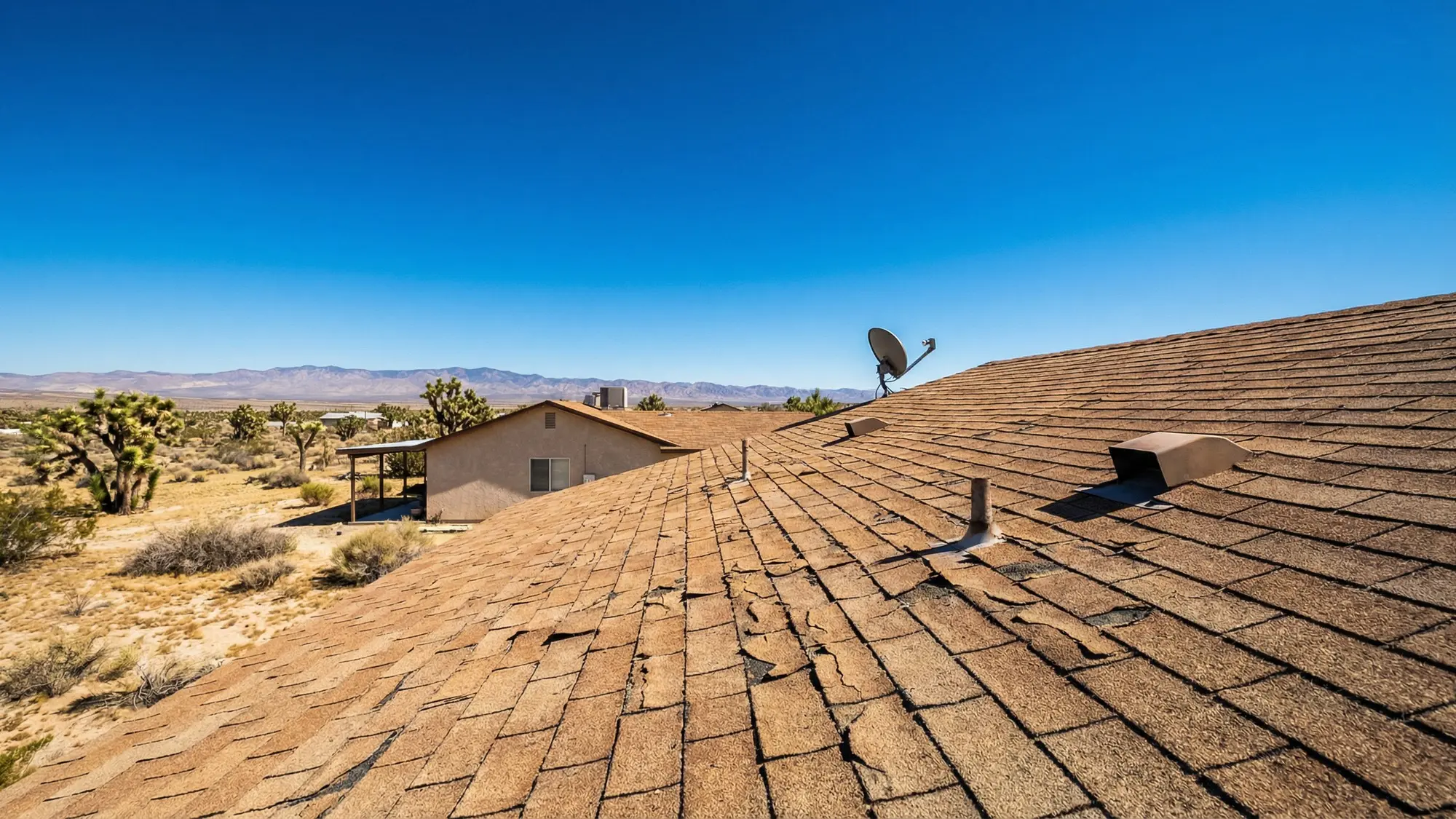
A poorly ventilated attic shortens your roof’s lifespan significantly. Excessive heat buildup forces roofing materials to expand and contract repeatedly, leading to cracks, warping, and early deterioration.
High heat causes the oils in asphalt shingles to evaporate faster, leaving them brittle and prone to cracking. Even metal roofs aren’t immune — without proper airflow, metal panels expand and contract with temperature changes, loosening fasteners and creating gaps where water can enter.
Higher Energy Bills and Discomfort
Without proper insulation and ventilation, your HVAC system has to work overtime to maintain comfortable temperatures. Some rooms may feel unbearably hot even with the air conditioning running. This extra workload not only raises utility bills — it wears out equipment faster, leading to more frequent repairs.
How Ventilation and Insulation Work Together
Think of attic ventilation as your roof’s breathing mechanism. Intake vents in the soffits draw in fresh air. Exhaust vents at the ridge allow hot, humid air to escape. This continuous airflow controls attic temperatures — preventing excessive heat buildup in summer and removing moisture-laden air in winter.
A proper balance between intake and exhaust vents ensures this airflow remains effective year-round. When combined with adequate insulation (R-49 to R-60 in most California climates), the system keeps your roof surface at a consistent temperature, preventing the thermal stress cycles that cause premature aging.
Attic Component | Feature | Benefit |
|---|---|---|
Insulation R-Value | R-49 to R-60 | Minimizes heat transfer through decking |
Soffit Intake Vents | Continuous vented soffits | Supplies consistent cool airflow |
Ridge Exhaust Vents | Continuous ridge vent | Removes warm attic air |
Benefits of Getting It Right
Longer roof lifespan: Controlled temperatures and moisture levels reduce thermal stress on materials and protect wooden structural elements from rot.
Improved energy efficiency: Proper ventilation prevents heat buildup in the attic, reducing air conditioning load. Effective insulation minimizes heat loss in winter — both translate to real savings on your utility bills.
Protection against health risks: By managing moisture, proper ventilation prevents the conditions that lead to mold growth and poor indoor air quality.
Warranty compliance: Many shingle manufacturers require proper ventilation to honor their warranties. Poor ventilation could cost you coverage you’ve paid for.
When to Get a Professional Assessment
Signs your ventilation or insulation may be inadequate:
Excessive heat in the attic, even on mild days
Moisture, condensation, or frost buildup inside the attic
Mold or mildew growth on attic surfaces
Unusually high energy bills
Shingles that are curling, cracking, or deteriorating prematurely
At Chaparosa Roofing, we assess every roof’s specific ventilation and insulation needs before recommending solutions. With over 57 years of High Desert experience, we know what our climate demands. Schedule a free consultation today — and make sure your roof has the support it needs.
FAQs
How can I tell if my roof has poor ventilation or insulation? Watch for excessive attic heat, moisture buildup, mold in the attic, ice dams forming along roof edges (in cooler areas), spiking energy bills, or visible damage like curling or cracking shingles.
How often should I have ventilation and insulation checked? Schedule a professional inspection at least once a year, ideally in spring and fall. Additional inspections after severe storms or if you notice warning signs are also recommended.