Roof Maintenance
Ultimate Winter Roof Maintenance Checklist for Homeowners: How to Prepare and Protect Your Roof for Winter
July 21, 2025 · Chaparosa Roofing · 4 min read
Fall is the best time to address roof maintenance — you still have dry weather to work in, and any issues you catch now can be fixed before winter rain tests every weakness. This checklist covers everything homeowners should verify before cold and wet season arrives.
1. Clean Gutters and Downspouts
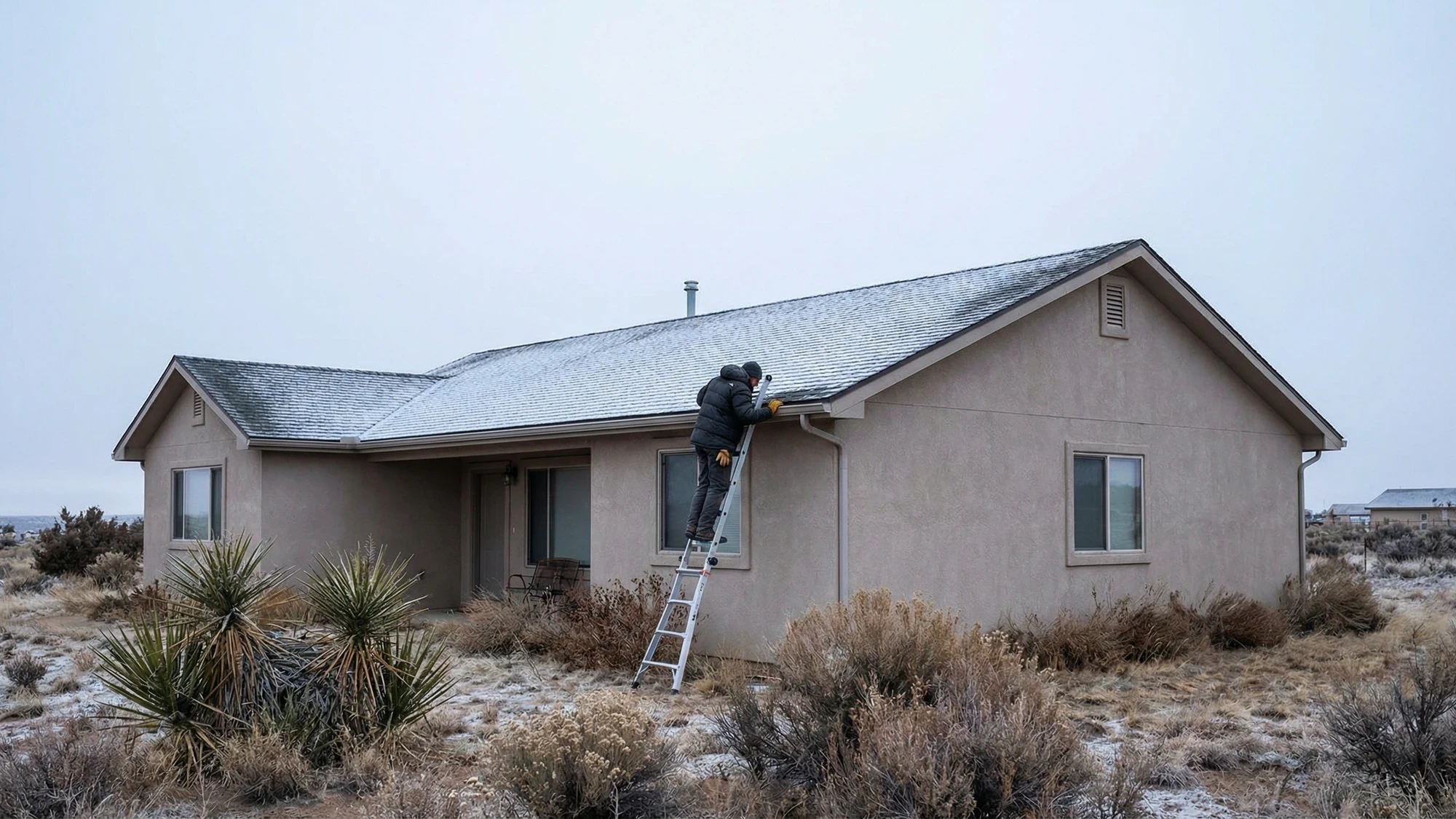
Clogged gutters are the leading cause of preventable roof and fascia damage. Debris from summer — dead leaves, pine needles, dust accumulation from desert winds — compacts into the gutter channel and blocks flow completely.
When gutters back up, water overflows at the lowest points and begins wicking under roof edges, rotting fascia boards, and potentially entering wall cavities. Clean gutters completely, flush downspouts with a hose to confirm flow, and check that all brackets are secure and the gutter maintains a slight pitch toward downspouts.
High Desert note: Even if you don’t have many trees, desert winds deposit a surprising amount of organic material in gutters throughout summer. Don’t skip this step because you think your gutters are “probably fine.”
2. Inspect and Clear Roof Valleys
Roof valleys — the V-channels where two roof planes meet — carry the highest concentration of water during any rain event. They’re also where debris accumulates fastest.
From the ground with binoculars, look for leaves, pine needles, or other material sitting in the valleys. During heavy rain, blocked valleys can back water up under adjacent shingles or tiles. Carefully clearing valleys (or having a professional do it) is straightforward maintenance that prevents expensive leak repairs.
3. Examine Flashing
Walk around your home and look at every visible roofing penetration — chimney bases, skylights, vent pipes, and the points where the roof meets vertical walls. These are all protected by metal flashing.
Look for:
Lifted or separated edges where flashing meets the roof surface
Visible cracks in caulk or sealant around pipe boots and vents
Rust staining on metal flashing (surface rust is cosmetic; through-rust is a failure)
Gaps between step flashing and siding at wall junctions
Minor sealant issues are inexpensive to fix. Waiting until they’re actively leaking during a rainstorm is far more disruptive and expensive.
4. Check Attic Ventilation
Before winter seals everything up, confirm your attic is properly ventilating. Signs of inadequate ventilation include:
Excessive heat in the attic even on mild days
Frost or condensation on rafters in the morning
Insulation that feels damp or looks compressed
High energy bills — an overworked HVAC system is often the first indicator
Balanced intake and exhaust ventilation keeps temperature differentials from causing moisture problems all winter. If your soffit vents are blocked by insulation that was blown in without baffles, that’s a straightforward fix — but it needs to happen before moisture season.
5. Inspect Shingles or Tiles From the Ground
You don’t need to get on the roof for a general condition assessment. Using binoculars on a clear day, scan each roof section:
For shingles, look for:
Cupped or curled edges
Bald spots where granules have worn away
Any lifted corners or shingles that appear to be working loose
Dark staining that might indicate algae or moisture
For tile roofs, look for:
Cracked, shifted, or missing tiles
Broken hip or ridge caps
Areas where the mortar at the ridge or hip looks crumbled or absent
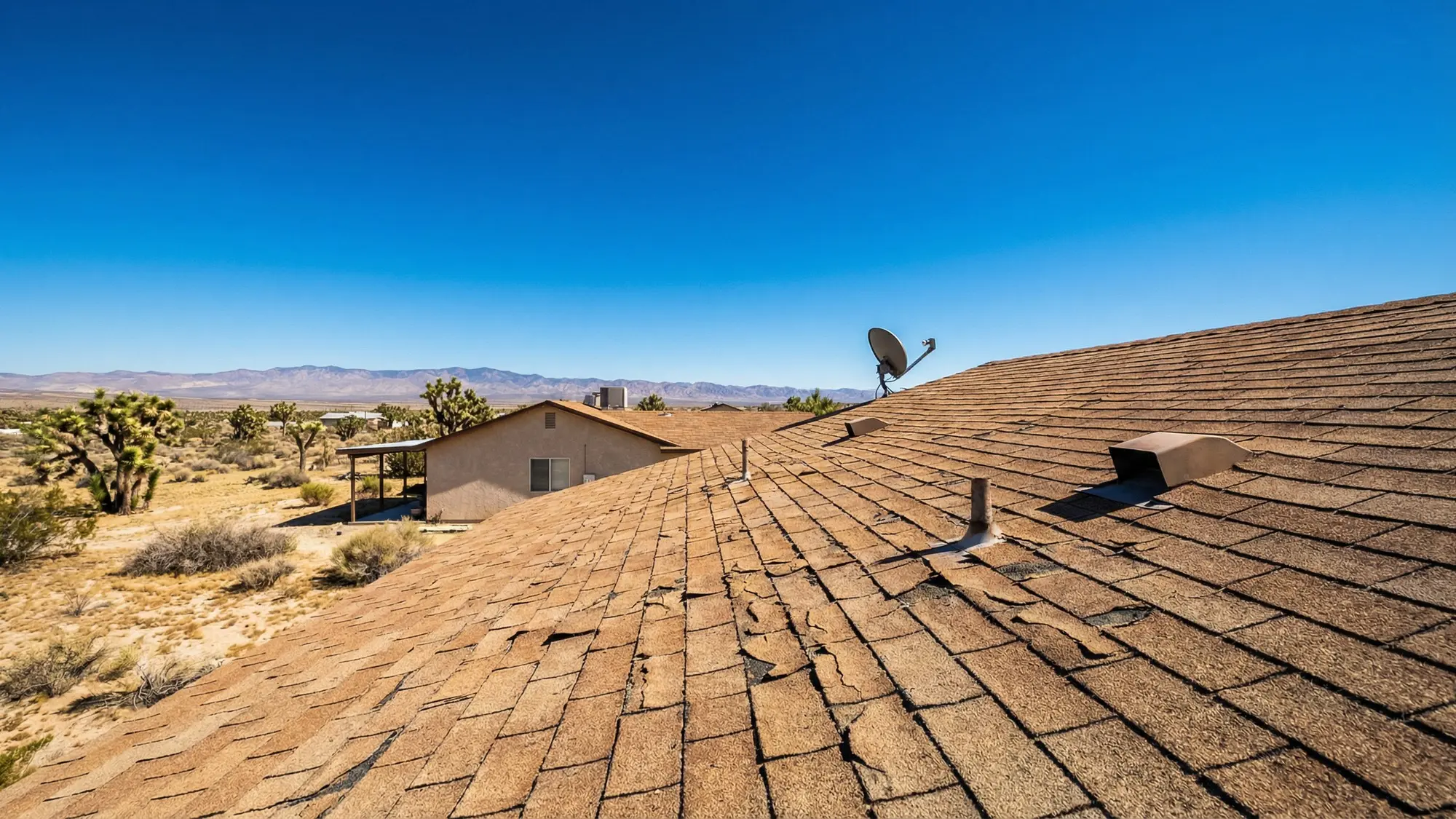
Even a few compromised tiles or shingles can let water under the roof surface during sustained rain. Mark any concerns for professional assessment.
6. Test Interior Warning Signs
While you’re doing exterior checks, also walk through your attic and interior ceilings:
Look for water stains on attic sheathing or rafters — brown rings or white mineral deposits indicate past moisture intrusion
Check insulation for damp spots or discoloration
Walk through the home after the first significant rain and look for new ceiling stains you haven’t seen before
Catching intrusion at the first event prevents the compounding damage that develops over a full wet season.
7. Schedule a Professional Inspection
A homeowner visual check is a good first pass, but a professional inspection finds what you can’t see from the ground or a quick attic visit. Infrared moisture detection identifies wet insulation and decking before it’s visible to the naked eye. A trained eye catches deteriorating underlayment conditions, compromised flashing details, and subtle ventilation deficiencies that a homeowner wouldn’t know to look for.
Scheduling before the rain hits is better for everyone — contractors are less busy, repairs can be completed in dry conditions, and there’s no emergency premium.
Contact Chaparosa Roofing to schedule your pre-winter roof inspection. We serve the High Desert with free estimates and straight-talking assessments — no upsell, just an honest report on what we find.