Roof Maintenance
How to Extend Your Roof's Lifespan by 10+ Years
February 10, 2026 · Chaparosa Roofing · 6 min read
Your Roof Can Last Longer Than You Think
Every roofing material comes with a manufacturer-estimated lifespan. Standard asphalt shingles might be rated for 25 to 30 years. But that number isn’t a guarantee — it’s a rough estimate based on average conditions with reasonable maintenance. In practice, the same roof can fail at 15 years or last well past 35, depending almost entirely on how it’s maintained and what conditions it endures.
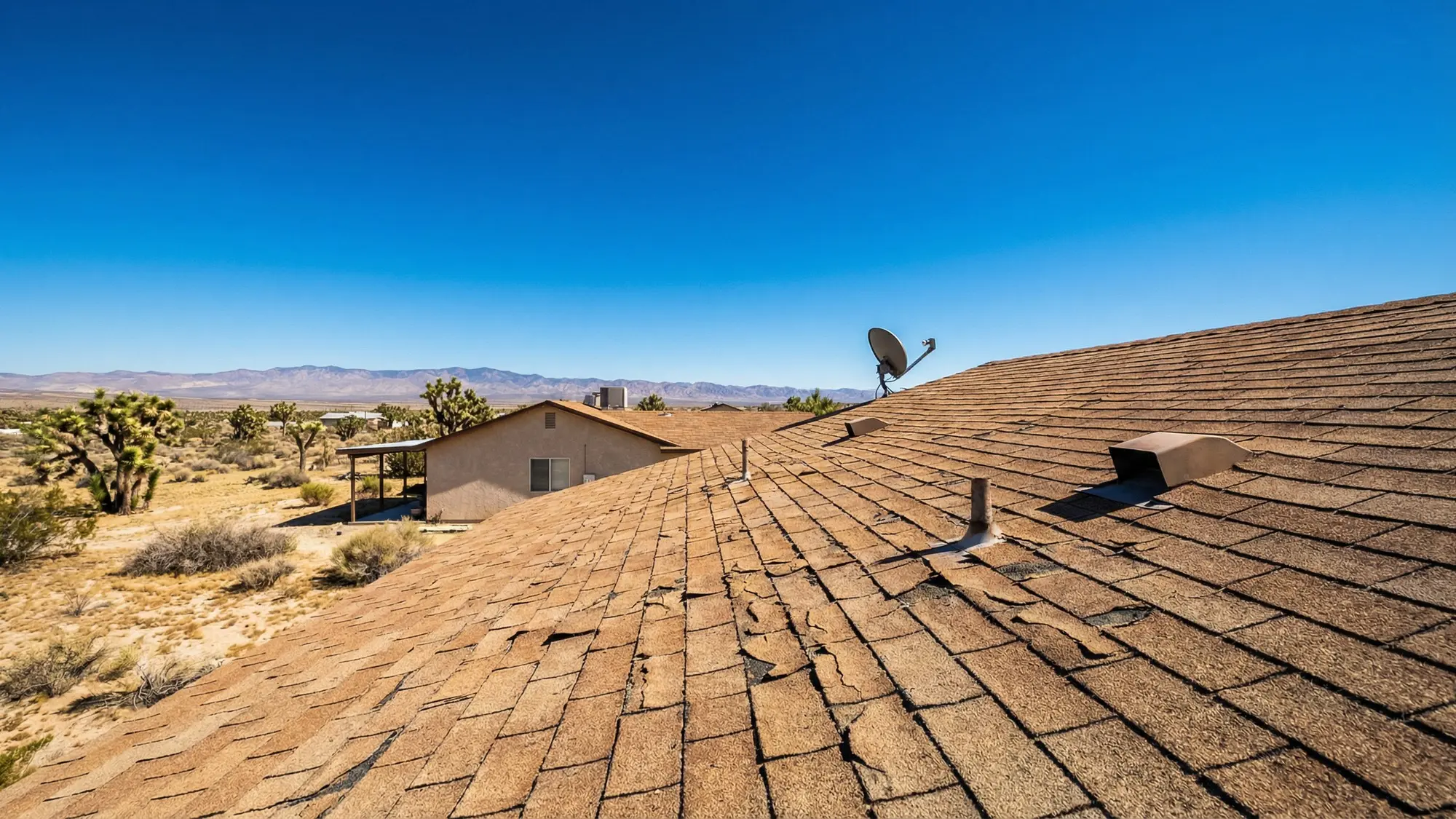
Here in the High Desert, where roofs face some of the harshest conditions in Southern California, maintenance is the difference between a roof that meets its expected lifespan and one that far exceeds it. At Chaparosa Roofing, we’ve been installing and maintaining roofs in Apple Valley and the surrounding communities since 1969. In that time, we’ve seen firsthand what separates roofs that age gracefully from those that fail prematurely.
Here are the most impactful steps you can take to add a decade or more to your roof’s useful life.
The Essentials of Roof Longevity
Schedule Regular Professional Inspections
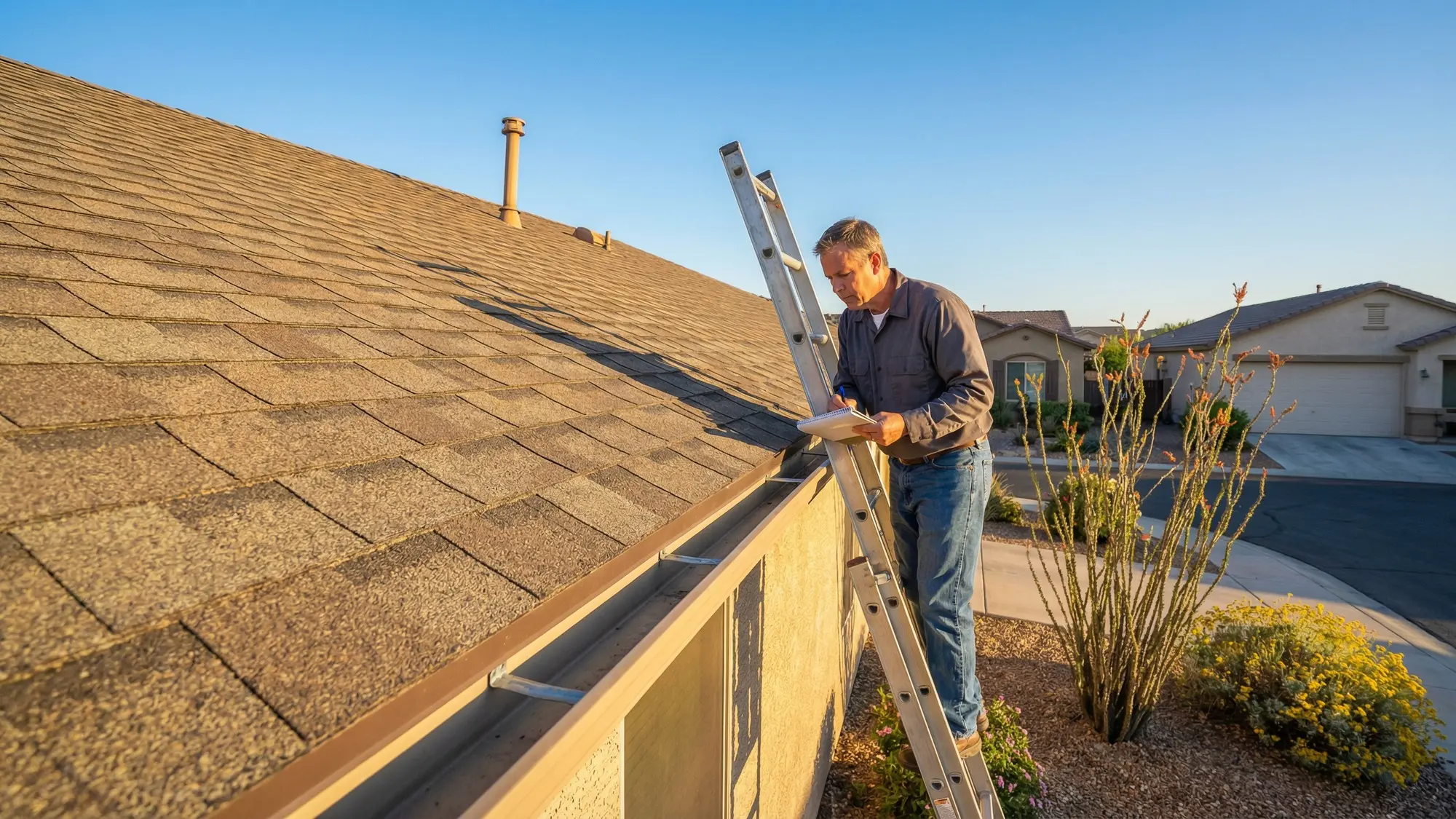
An annual professional roof inspection is the single most effective thing you can do for your roof’s longevity. A trained inspector catches developing problems — cracked flashing, lifting shingles, early signs of moisture intrusion — months or years before they become visible to homeowners.
In the High Desert, we recommend inspections at least once per year, ideally in spring before the summer heat season. You should also schedule an inspection after any major storm event with high winds or heavy rain. Wind damage isn’t always obvious from the ground, and what looks like a minor issue can quickly escalate if left unaddressed through a full summer of UV exposure and thermal stress.
Ensure Proper Ventilation
If there’s one factor that causes more premature roof failure in the High Desert than any other, it’s inadequate attic ventilation. When your attic can’t breathe, temperatures inside can soar past 150 degrees on a summer afternoon. That extreme heat doesn’t just make your air conditioner work harder — it literally cooks your roofing materials from the underside.
Proper ventilation means balanced intake (usually through soffit vents) and exhaust (through ridge vents or other roof-top vents). The goal is continuous airflow that keeps attic temperatures closer to the outside ambient temperature. In desert climates, this single improvement can add years to your roof’s life by dramatically reducing the thermal stress your materials endure every day from June through September.
Keep Gutters Clean
Clogged gutters cause water to back up under the roof edge, where it seeps beneath shingles and saturates the decking below. In the High Desert, gutters also collect fine sand and dust that compacts into a cement-like mass, and organic debris that traps whatever moisture does arrive.
Clean your gutters at least twice a year — once in spring and once in fall. Check that downspouts flow freely and direct water well away from your foundation. While cleaning, inspect the gutter contents for excessive granule accumulation from your shingles. A moderate amount is normal, but heavy granule loss signals that your shingles are deteriorating and may need professional evaluation.
Address Repairs Immediately
This is where many homeowners unknowingly sacrifice years of roof life. A small leak, a few missing shingles, or a section of damaged flashing might seem minor, but in the High Desert’s extreme conditions, small problems escalate at an alarming rate.
A tiny gap in flashing sealant allows moisture into the roof structure during a rain event. That moisture gets trapped, and when the next day brings 100-degree heat, the resulting steam pressure can delaminate roof decking and damage surrounding materials. What started as a five-minute sealant repair becomes a major structural project.
The rule is simple: if you notice damage, address it now. Don’t wait for the next season, the next inspection, or a more convenient time. Every day a problem goes unrepaired in the desert, it gets worse. Contact a professional for roof repair at the first sign of trouble.
Trim Trees and Remove Debris
Overhanging branches scratch roof surfaces, drop debris that traps moisture, and can cause catastrophic damage when they break during windstorms. Keep all branches trimmed at least six feet from the roof edge.
Remove any debris that accumulates on the roof surface. Piles of leaves, pine needles, or blown-in material hold moisture against your roofing materials and accelerate deterioration. In the desert, wind-blown debris can also dam up behind roof features and redirect water in unintended directions.
Invest in Proper Attic Insulation
Insulation works hand-in-hand with ventilation to protect your roof structure. Adequate insulation reduces the thermal transfer between your attic and the living space below, which means your attic ventilation system can do its job more effectively.
In the High Desert, where the temperature difference between a sun-baked roof and an air-conditioned interior can exceed 100 degrees, insulation reduces the thermal stress on your roof’s structural components. It also helps prevent the ice-dam equivalent we see in desert climates: condensation that forms when hot attic air meets cooler roof surfaces during rapid evening temperature drops.
Desert-Specific Strategies
Consider Reflective Coatings
For flat or low-slope roofs, reflective cool roof coatings can reduce roof surface temperatures by 50 degrees or more. Even for sloped roofs, lighter colors and reflective granules make a measurable difference in how much heat your roof absorbs. Less heat absorption means less thermal stress, slower material degradation, and a longer-lasting roof.
Prioritize UV-Resistant Materials
When repairs or replacements are needed, choose materials specifically designed for UV resistance. Standard products that perform well in the Pacific Northwest or the Midwest may deteriorate much faster under the High Desert’s intense solar radiation. Our elevation of roughly 3,000 feet means UV exposure is significantly higher than at sea level.
Plan for Thermal Cycling
The High Desert’s dramatic temperature swings — 50 degrees or more between overnight lows and afternoon highs — create constant expansion and contraction stress. Over time, this cycling causes cracking, loosened fasteners, and separated seams. Regular inspections specifically checking for thermal cycling damage are essential.
Choose Quality Materials from the Start
The cheapest roofing materials rarely deliver long-term value, especially in demanding climates. As an Owens Corning Platinum Preferred contractor, we’ve seen the performance difference between entry-level and premium products play out over decades. Higher-quality shingles use better asphalt formulations, thicker construction, and more durable granule adhesion — all of which translate directly into longer service life.
This isn’t about spending more for a brand name. It’s about choosing materials engineered to handle the specific stresses your roof will face. In the High Desert, that means UV resistance, flexibility to handle thermal cycling, and wind resistance rated for our conditions.
Expected Lifespans: Maintained vs. Neglected
The difference maintenance makes is dramatic:
Asphalt shingles: 15-20 years neglected vs. 25-35 years maintained
Concrete tile: 25-35 years neglected vs. 40-50+ years maintained
Metal roofing: 30-40 years neglected vs. 50-70 years maintained
Built-up/flat roofing: 10-15 years neglected vs. 20-30 years maintained
These numbers assume High Desert conditions. In milder climates, lifespans would be longer across the board. The key takeaway is that maintenance consistently adds 40 to 60 percent more life to any roofing material.
Start Protecting Your Investment Today
Your roof is one of the largest investments in your home. Protecting that investment doesn’t require extraordinary effort — it requires consistent, informed attention. Schedule your annual roof inspection, keep up with seasonal maintenance, address problems promptly, and make smart material choices when repairs are needed.
At Chaparosa Roofing, we’ve been helping High Desert homeowners get the most from their roofs since 1969. Whether you need an inspection, a maintenance plan, or advice on extending the life of your current roof, our team has the local experience to guide you. Your roof is built to last — help it reach its full potential.