Roofing Tips
Finding the Best Roofing Company with Mike Kane
September 9, 2025 · Chaparosa Roofing · 3 min read
In this episode of the Chaparosa Roofing podcast, Roofing By The Square, Operations Manager Mike Kane discusses what homeowners should consider when hiring a roofing contractor. The conversation covers licenses, warranties, ventilation, repair versus replacement decisions, and how to identify problematic contractors.
Repair vs. Replacement: How to Tell the Difference
Minor issues typically require repairs: fixing leaks around flashing or chimneys, patching damaged underlayment beneath tile, or replacing individual cracked shingles.
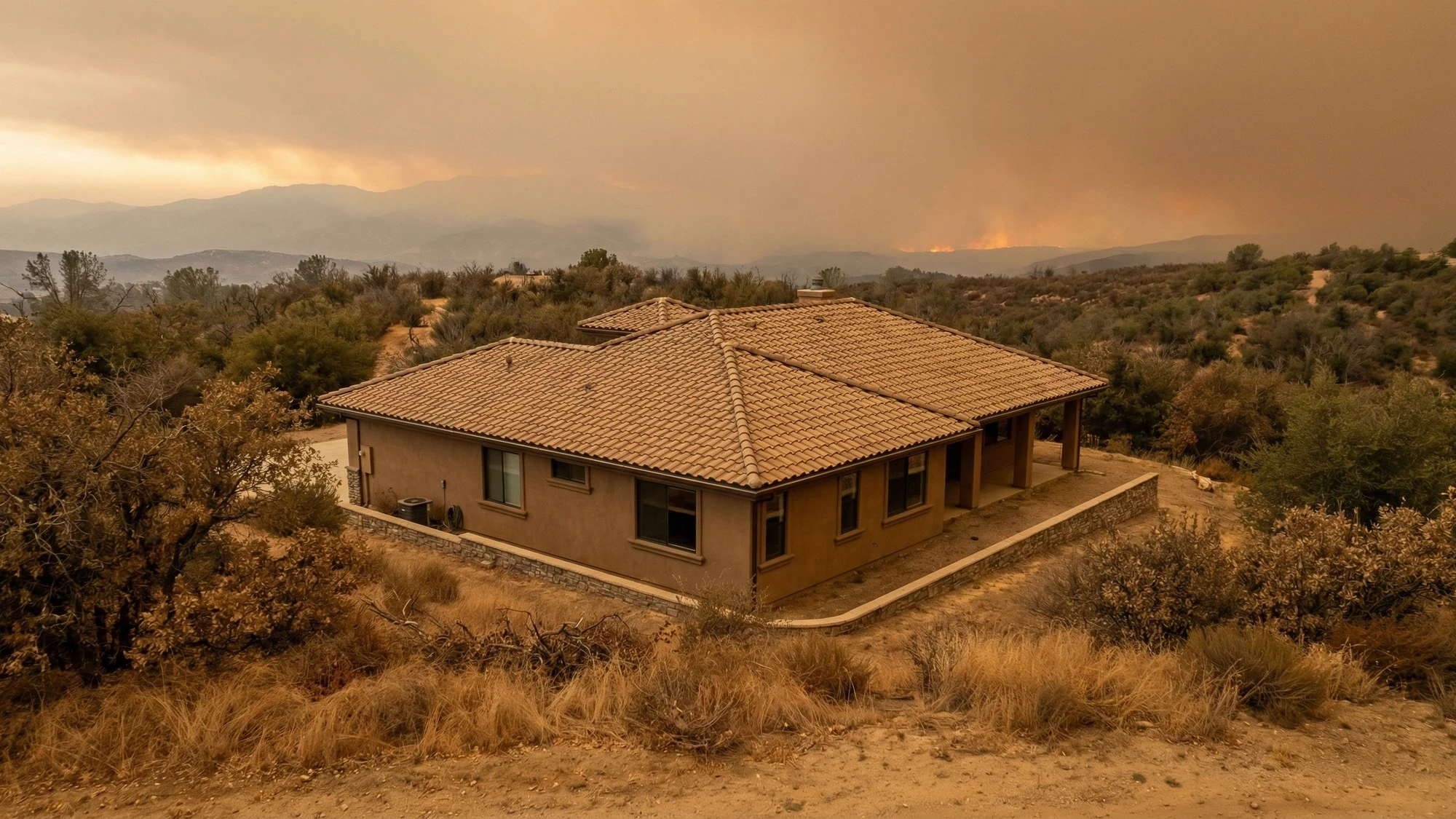
Tile roofs function differently from shingle roofs — the tiles serve primarily as aesthetic elements while the underlayment provides actual waterproofing. As Kane explains, many tile problems resolve through lifting tiles, repairing underlayment, and resetting them.
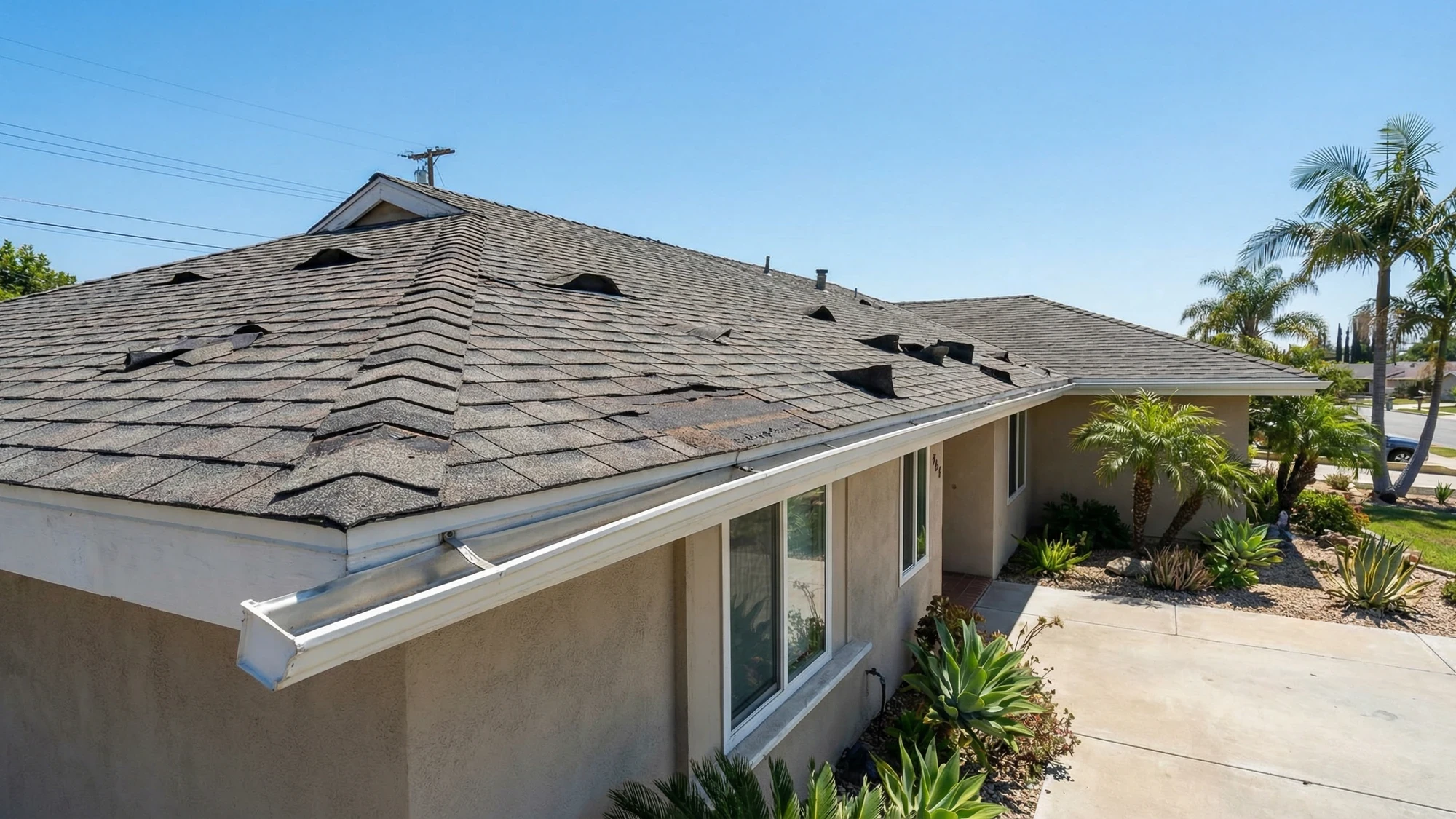
Full replacement becomes necessary when damage spreads widely or the roof approaches end-of-life. With shingle roofs, patches often appear visually inconsistent with surrounding materials.
Warning signs that indicate replacement:
Worn granules (shiny, bare appearance on shingles)
Exposed mat or paper underneath
Widespread curling or cracking
Storm damage across multiple sections
Recurring leaks in different locations
Roof age of 20–30+ years
Why Ventilation Matters — and What “Balanced” Means
Proper attic ventilation prevents heat and moisture accumulation beneath roofing materials. Without adequate airflow, rising heat damages shingles and warps decking, while cooling systems work harder. As Kane puts it: “Heat will start making shingles warp and curl and deteriorate prematurely.”
Balanced ventilation maintains roughly equal intake and exhaust airflow. Soffit vents at the roof’s lower edges allow cool air entry; ridge or upper vents enable hot air escape. This circulation pattern protects materials and frequently appears as a requirement for extended manufacturer warranties.
What “Platinum Preferred” Means for Your Warranty
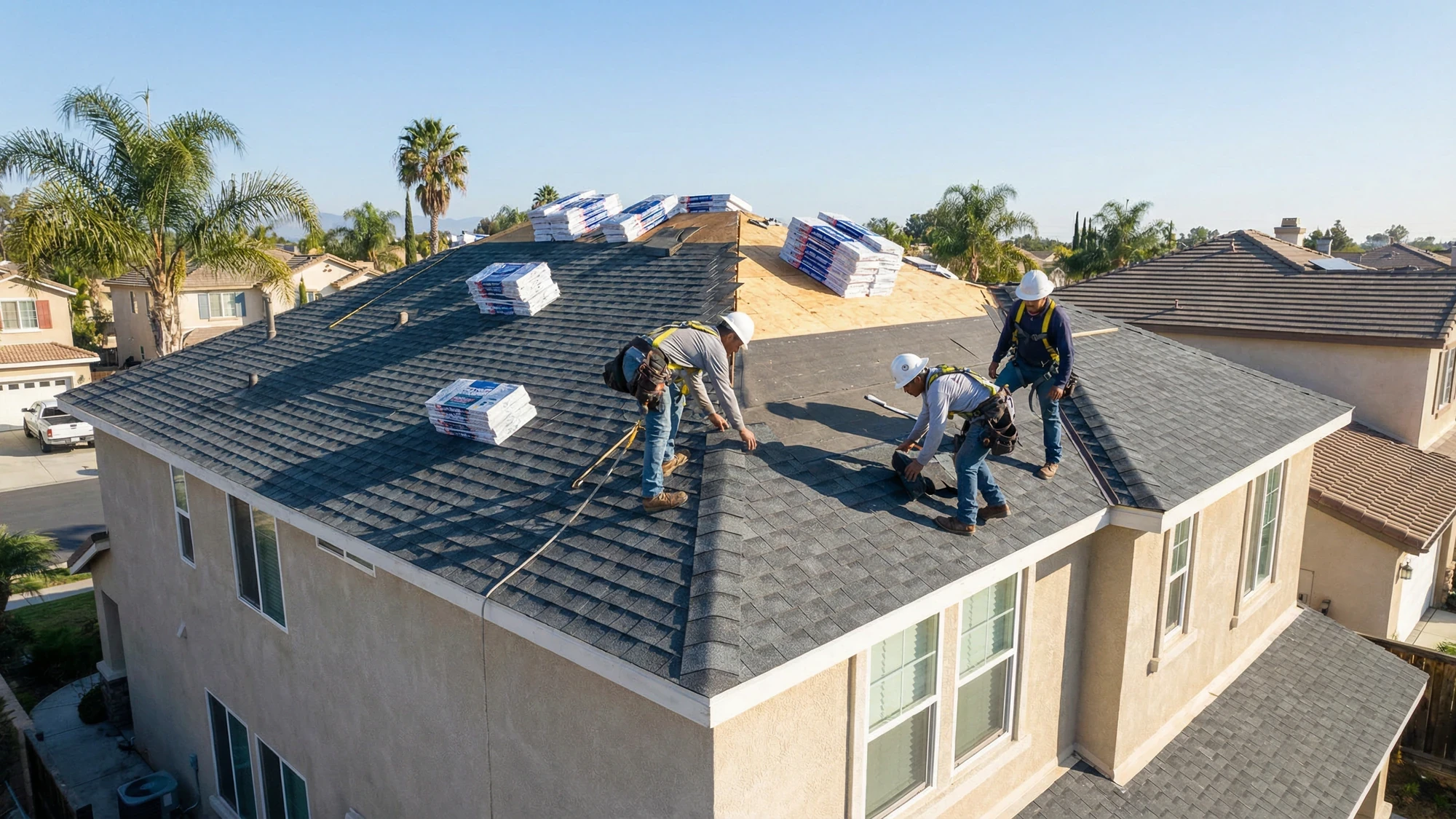
Chaparosa Roofing holds certification as an Owens Corning Platinum Preferred Contractor, representing one of the industry’s highest tiers. This designation requires contractors to meet stringent installation standards, complete required training, and use approved products and practices — including balanced ventilation.
Homeowners benefit through stronger warranty options and manufacturer support beyond basic workmanship guarantees. Top-tier manufacturer warranties often transfer to future homeowners, potentially increasing property resale value.
Why Licensed, Local Contractors Matter
Unlicensed or transient crews may appear cost-effective initially but create long-term expenses. They may generate permit issues, use substandard materials, omit necessary preparation, and prove unreachable if problems surface. Kane is direct: “When you’re using somebody that’s not licensed, you’re going to end up doing it twice.”
Licensed local companies handle permits, follow building codes, use quality materials, and guarantee their work.
What to ask any contractor:
Can you provide your license number and proof of insurance?
What specific materials and ventilation plan will you use?
What warranty coverage do you offer on materials and workmanship?
How do you handle permits?
Reluctance to discuss products or ventilation strategies is a red flag.
The Real Cost of “Cheap” Roofing
Corner-cutting typically means redoing the work. Coatings applied over dirty surfaces fail quickly; inferior materials and skipped preparation lead to early leaks and repeated repairs, ultimately increasing lifetime costs.
When accounting for fewer repairs, extended lifespan, and enhanced warranties, quality installation typically delivers superior returns. Evaluate based on value rather than initial price alone — proper flashing, quality underlayment, balanced ventilation, and experienced installers matter as much as visible shingles or tiles.
Simple Maintenance That Prevents Big Problems
Kane recommends annual roof maintenance at minimum. Inspections should clear debris from valleys, remove leaves and needles, examine flashings, and assess overall wear. Clean gutters allow proper drainage; clogged gutters cause standing water and deck deterioration.
Address localized damage immediately — missing shingles, cracked tiles, or interior water stains warrant professional attention. Early intervention prevents expensive widespread damage.
Ready for a professional inspection? Contact Chaparosa Roofing for a free estimate and a straight-talking assessment of your roof’s condition.