Roofing Tips
Save on Home Insurance with a Fire-Resistant Roof in California
August 4, 2025 · Chaparosa Roofing · 3 min read
California’s wildfire risk has changed how insurance companies price residential coverage — and in many cases, what materials your roof is made of directly affects your premium. For High Desert homeowners, this intersection of fire safety and financial savings is worth understanding.
How Insurance Companies Evaluate Roof Fire Risk
Insurers use fire resistance ratings to assess roofing risk. The standard rating system, established by ASTM International, classifies roofing materials into three categories:
Class | Fire Resistance | Description |
|---|---|---|
Class A | Highest | Effective against severe fire exposure |
Class B | Moderate | Effective against moderate fire exposure |
Class C | Light | Effective against light fire exposure |
Most insurance companies in California require at minimum a Class C rating for coverage, and many now charge significantly higher premiums for anything below Class A in high-risk zones — or refuse to write new policies at all.
Which Roofing Materials Qualify as Class A?
Concrete and Clay Tile
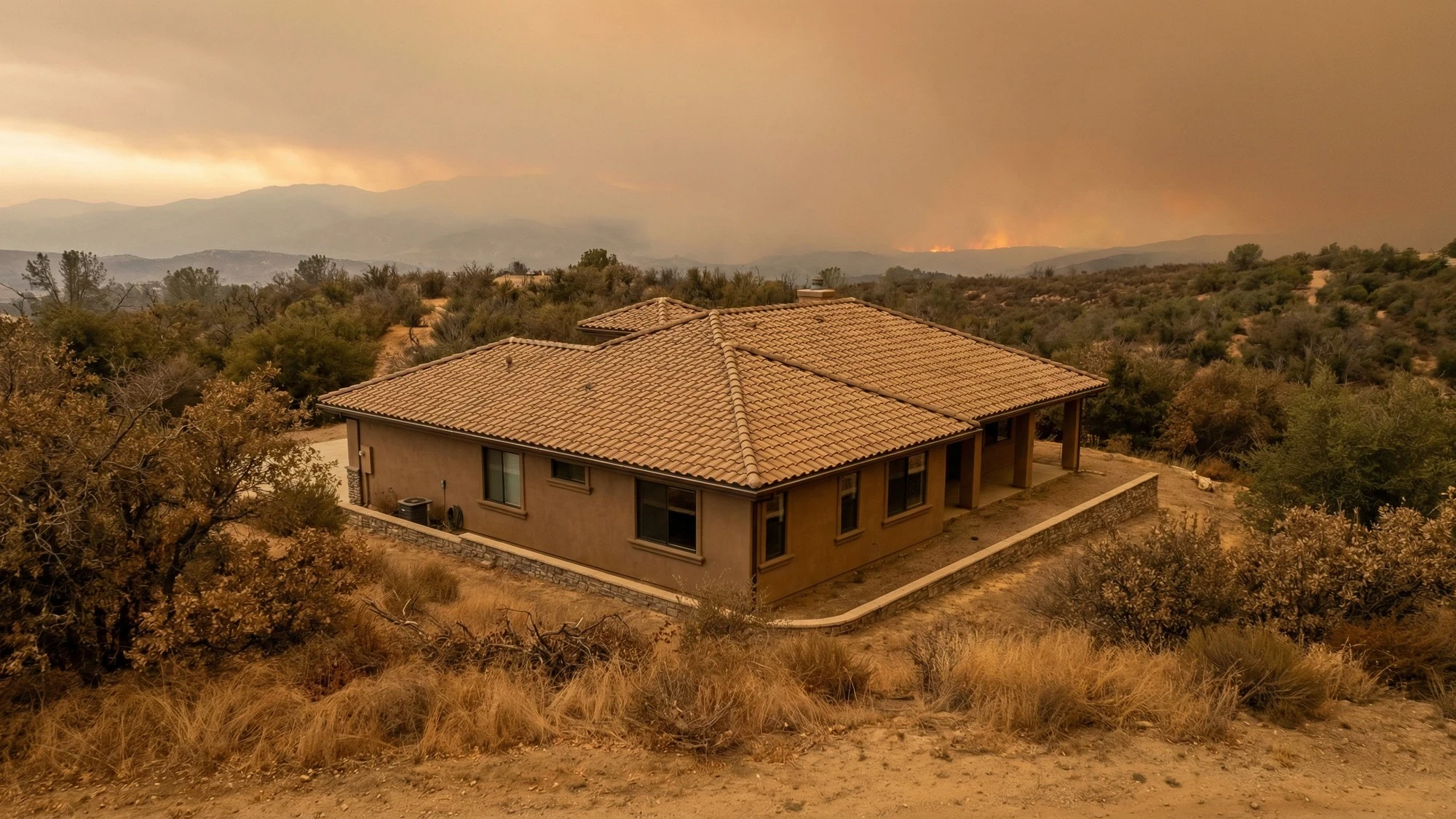
Both concrete and clay tile are inherently non-combustible and carry a Class A fire rating. This is one of the reasons tile roofs dominate in California — the material’s natural fire resistance is a practical advantage in wildfire-prone areas, not just an aesthetic choice.
Metal Roofing
Steel, aluminum, and copper roofing systems are all non-combustible and rated Class A. Metal roofing has grown significantly in popularity in the High Desert for exactly this reason, combined with its exceptional durability under UV and thermal stress.
Class A Asphalt Shingles
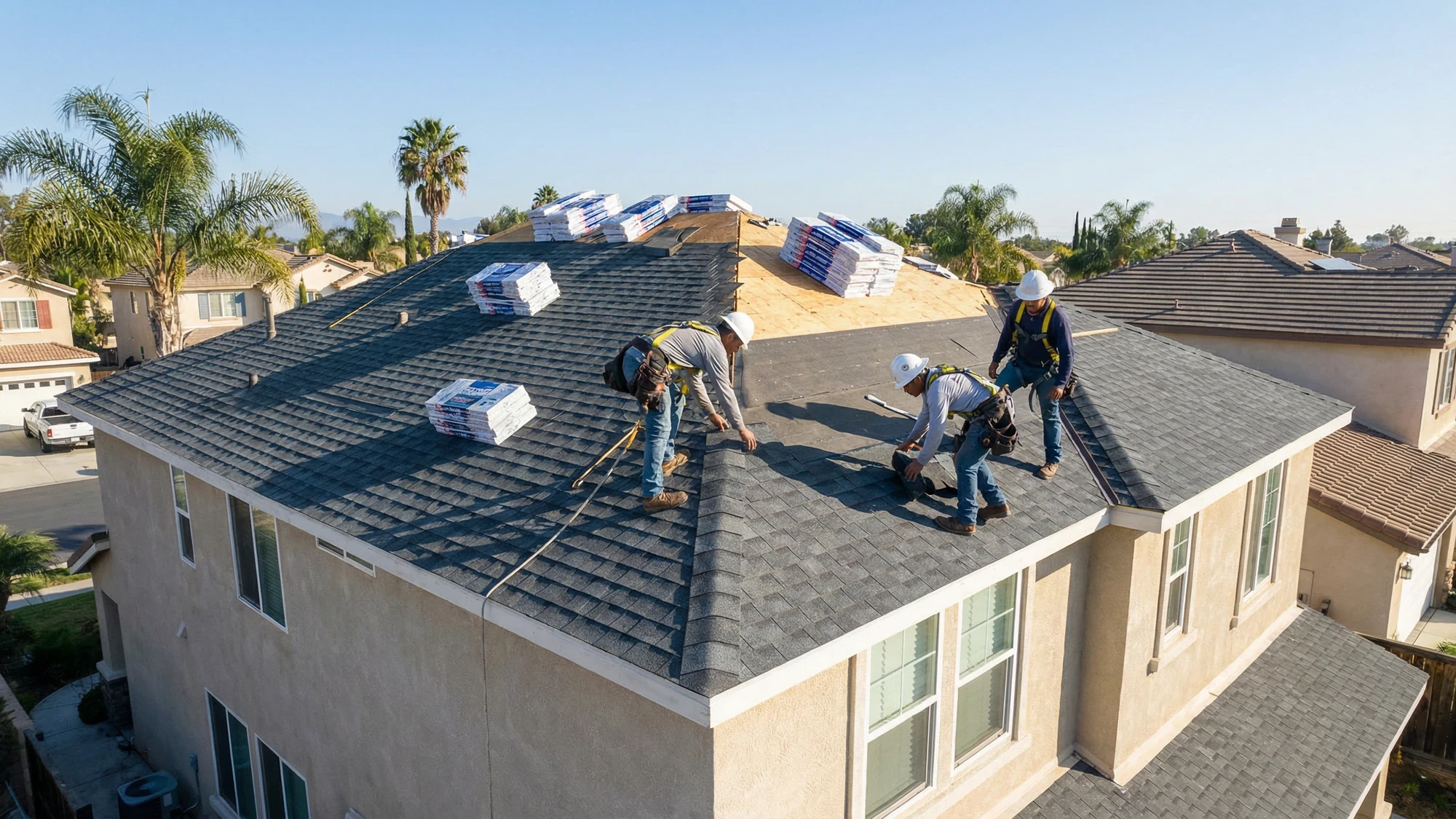
Standard asphalt shingles are Class C or Class B. However, many premium shingle products — including Owens Corning’s Duration and Oakridge lines — are manufactured to Class A fire resistance through the addition of fire-retardant compounds in the asphalt formulation and specialized granule treatments.
If you have or are considering asphalt shingles, confirm the specific product’s fire rating on the manufacturer’s documentation. The brand name alone doesn’t tell you the rating — you need the product specification sheet.
What Doesn’t Qualify
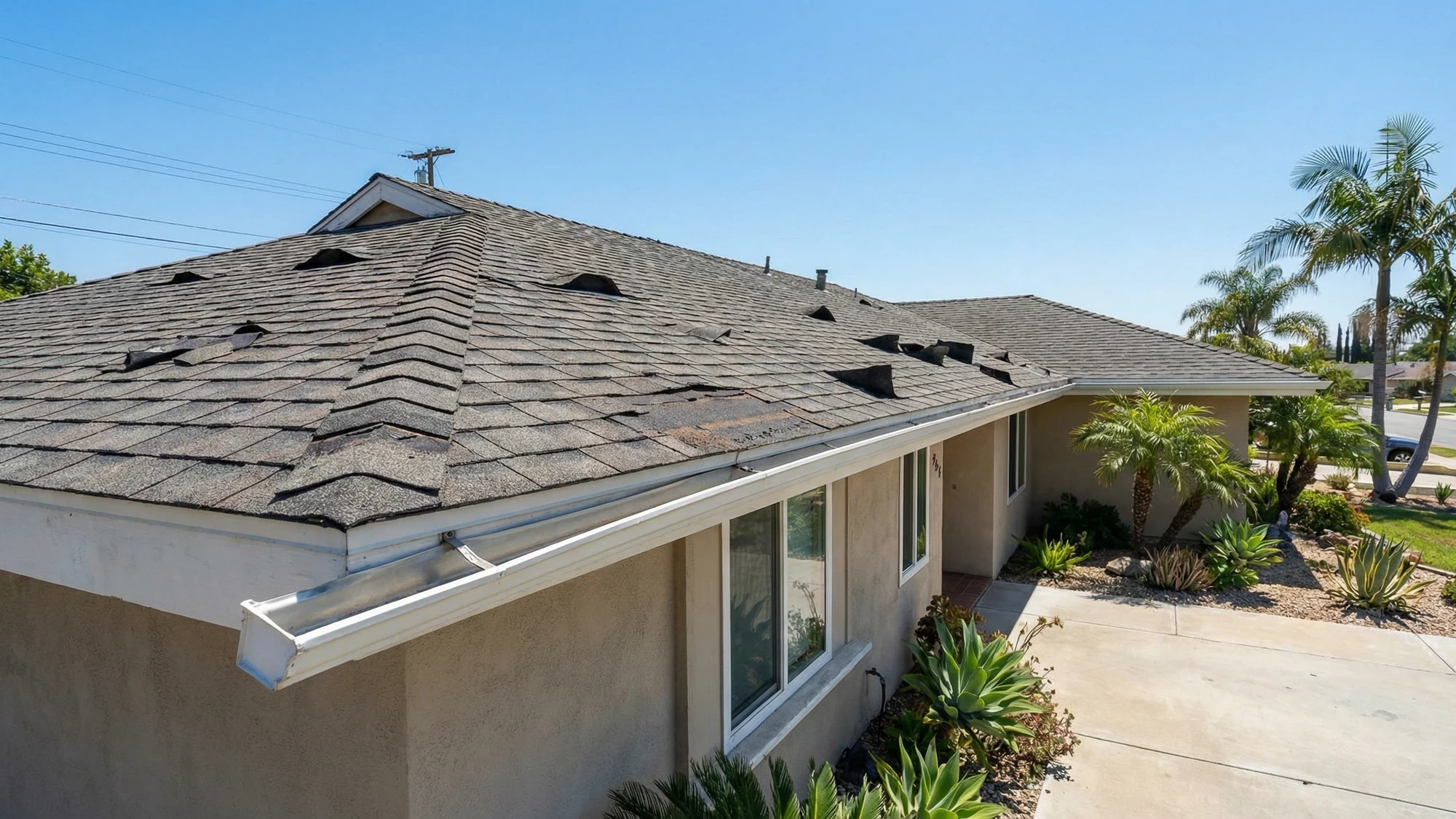
Wood shakes are not Class A and are banned outright in many California fire-hazard severity zones (FHSZ). If your home still has a wood shake roof, replacing it is likely a requirement for maintaining insurance coverage in high-risk areas — and doing so with a Class A material will have an immediate impact on your premium.
Potential Insurance Savings
Insurance discount structures vary by carrier, but Class A roofing is widely recognized as a meaningful rating factor in California. Depending on your insurer, your location, and your current policy structure, the savings can be meaningful:
Some carriers offer explicit discounts of 5–20% for Class A roofing materials
Others factor it into their risk-based pricing, which affects base premium calculations
In high fire-hazard zones, the difference between Class A and lower-rated materials can affect whether you qualify for standard coverage at all versus surplus/non-admitted carriers (which are typically much more expensive)
Contact your insurance agent before and after a roofing project. Many agents can run a comparison showing your potential premium change with a Class A material, which can be factored into your roofing decision.
How to Document Your Roof for Insurance Purposes
To claim fire-resistance-related savings, your insurer will need documentation. Keep the following:
Manufacturer product specifications showing the fire rating for your specific shingle or tile product
Installation permit confirming the work was completed to code
Contractor invoice specifying the exact materials installed, including product names and model numbers
Warranty documentation — Owens Corning Platinum Protection Warranties specify the product installed
Chaparosa Roofing provides complete installation documentation as a standard part of every job — manufacturer product specs, permit records, and warranty registration paperwork. Request your free estimate today and ask about Class A material options for your specific roof.