Education
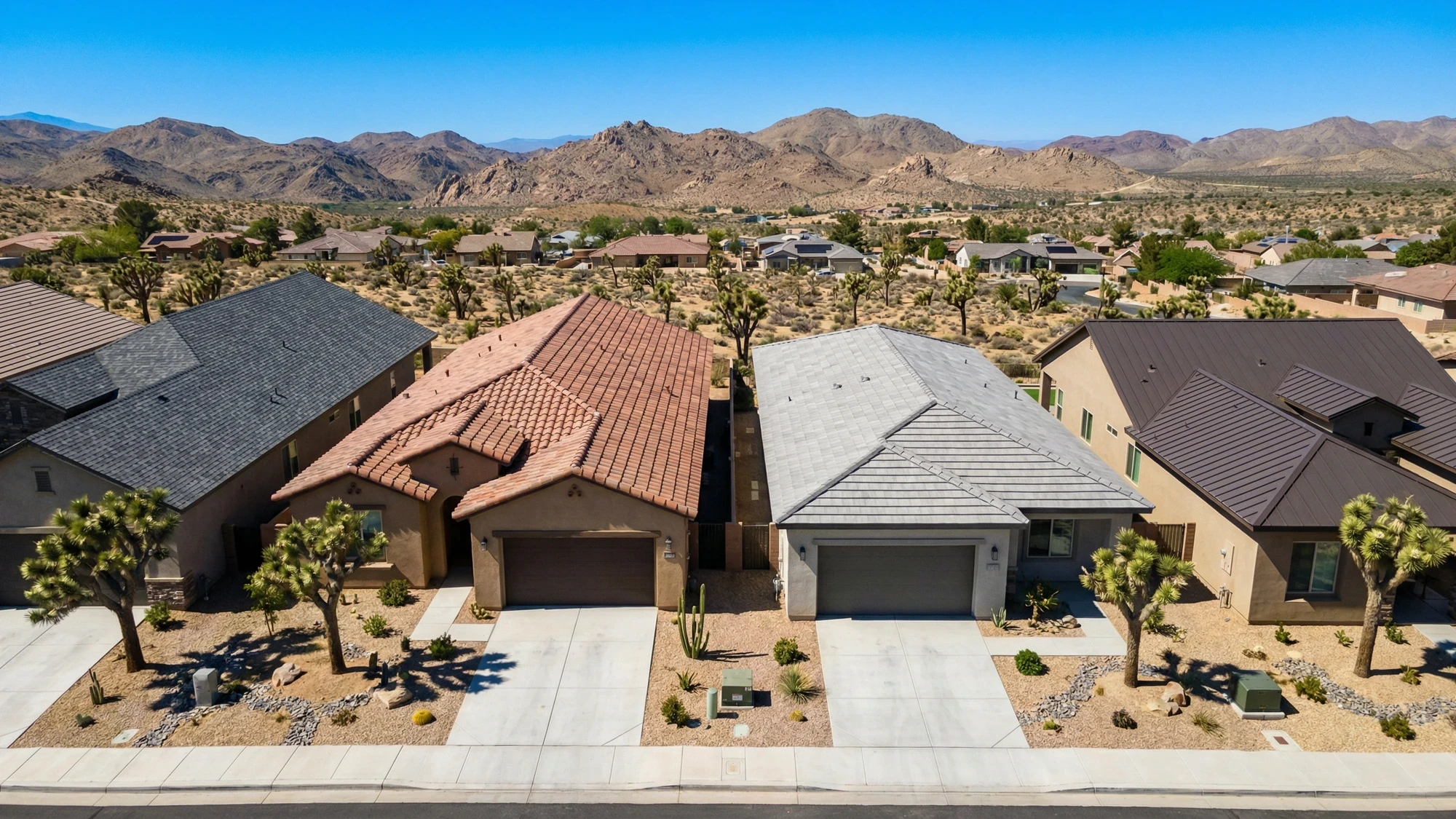
How to Choose the Right Roofing Material for Your Desert Home
October 1, 2024 · Chaparosa Roofing · 5 min read
Why Desert Roofing Is a Different Game
If you live in Apple Valley, Victorville, Hesperia, or anywhere across the High Desert, your roof faces conditions that most of the country never deals with. Summer surface temperatures on a roof can exceed 160 degrees. UV radiation at our elevation breaks down materials faster than in coastal areas. Daily thermal cycling — where temperatures swing 40 degrees or more between day and night — causes constant expansion and contraction that weakens lesser materials over time. Add in seasonal wind events and wildfire risk, and it becomes clear that choosing a roofing material here requires local expertise.
At Chaparosa Roofing, we have been helping High Desert homeowners navigate this decision for over 57 years. As an Owens Corning Platinum Preferred contractor (CA License #874120), we have installed every type of roofing system available and seen firsthand how each performs under our demanding conditions. Here is an honest comparison of the most common options to help you make the right choice.
Asphalt Shingles: The Versatile Workhorse
Asphalt shingles remain the most popular roofing material in the High Desert, and for good reason. Modern architectural shingles have come a long way from the thin three-tab products of decades past. Premium lines like Owens Corning Duration are specifically engineered with SureNail technology and enhanced granule adhesion to resist the effects of extreme heat and UV exposure.
Pros for Desert Homes
Asphalt shingles offer the widest range of colors and profiles, allowing homeowners to match virtually any architectural style. They are the most budget-friendly option upfront, and when paired with proper attic ventilation and underlayment, high-quality architectural shingles can last 30 to 50 years in our climate. They also carry Class A fire ratings, which matters in a region where brush fires are a real concern.
Cons to Consider
Lower-grade shingles can curl, crack, or lose granules prematurely under relentless desert sun. Proper installation is critical — inadequate ventilation is the number one reason shingles fail early in the High Desert. This is where working with an experienced local contractor makes all the difference. A professional roof inspection can also catch ventilation issues before they shorten the life of your roof.
Clay and Concrete Tile: Built for the Desert Sun
Tile roofing has a long history in Southern California, and the High Desert is no exception. Both clay tile and concrete tile are outstanding performers in hot, arid climates.
Pros for Desert Homes
Tile roofs provide natural thermal insulation because of the air gap between the tile and the roof deck. This gap reduces heat transfer into your attic, which can meaningfully lower cooling costs during our long summers. Clay and concrete are inherently fireproof and completely immune to UV degradation. Longevity is another major advantage — tile roofs regularly last 75 years or longer with periodic maintenance.
Cons to Consider
The primary trade-off is weight. Tile roofing is significantly heavier than shingles or metal, which means your roof structure may need reinforcement before installation. Upfront cost is also higher, though the extended lifespan often makes tile the most cost-effective choice over the long run. Individual tiles can crack from impact or foot traffic, so maintenance access requires care. When it is time for a roof replacement, discuss with your contractor whether your existing structure can support tile if you are considering an upgrade.
Metal Roofing: Modern Performance Meets Desert Durability
Metal roofing has surged in popularity among High Desert homeowners, and the performance data supports the trend. Standing seam panels and stone-coated steel products both offer compelling advantages for our climate.
Pros for Desert Homes
Metal roofs reflect a significant percentage of solar radiation rather than absorbing it, which directly reduces cooling loads. They are non-combustible and carry the highest fire resistance ratings — a serious consideration for properties near wildland-urban interface zones. Metal handles thermal cycling exceptionally well because panels are designed to expand and contract freely. With virtually no maintenance required, metal roofing systems routinely last 50 years or more. Stone-coated steel options can replicate the look of tile or shingles for homeowners who want modern performance with a traditional appearance.
Cons to Consider
Standing seam metal roofing has a higher upfront cost than asphalt shingles, though it is competitive with tile. Some homeowners are concerned about noise during rain, although modern underlayment and insulation eliminate this issue in practice. Hail can dent some metal panels, but the High Desert sees far less hail than many other regions.
TPO and Cool Roof Systems: Flat Roof Solutions
For homes with flat or low-slope sections, as well as commercial properties throughout the High Desert, TPO roofing and other cool roof systems offer purpose-built performance.
Pros for Desert Homes
TPO membranes are highly reflective, bouncing solar energy away from the building and reducing interior temperatures. They resist UV degradation and handle the thermal cycling of desert conditions without cracking or splitting. Cool roof coatings can also be applied to existing flat roofs to extend their life and improve energy efficiency without a full tear-off.
Cons to Consider
TPO and single-ply membranes are limited to flat or low-slope applications. Proper installation by a qualified contractor is essential, as seam integrity determines the long-term waterproofing performance of the system. Ponding water from the occasional desert downpour must be addressed through adequate drainage design.
How to Make the Right Decision
The best roofing material for your home depends on several factors working together: your budget, your home’s structural capacity, your aesthetic preferences, the roof’s slope, and how long you plan to stay in the home. There is no single right answer, but there are wrong answers — and they usually come from choosing a material that is not suited to our desert environment or hiring an installer who does not understand the local conditions.
Here is a quick framework to guide your thinking:
Best overall value for most homes: Premium asphalt shingles with proper ventilation
Best long-term investment: Clay or concrete tile
Best for fire-prone areas and low maintenance: Metal roofing
Best for flat and low-slope roofs: TPO or cool roof systems
Get Expert Guidance From a Team That Knows Desert Roofing
With 57 years of experience roofing homes across Apple Valley, Victorville, Hesperia, and the surrounding High Desert communities, Chaparosa Roofing has the knowledge to help you choose the right material for your specific home and budget. As an Owens Corning Platinum Preferred contractor, we offer industry-leading warranties and workmanship you can trust.
Whether you are planning a full roof replacement or simply want a professional opinion on your current roof’s condition, we are here to help. Request a free consultation today — no pressure, just honest advice from the High Desert’s most experienced roofing team.


