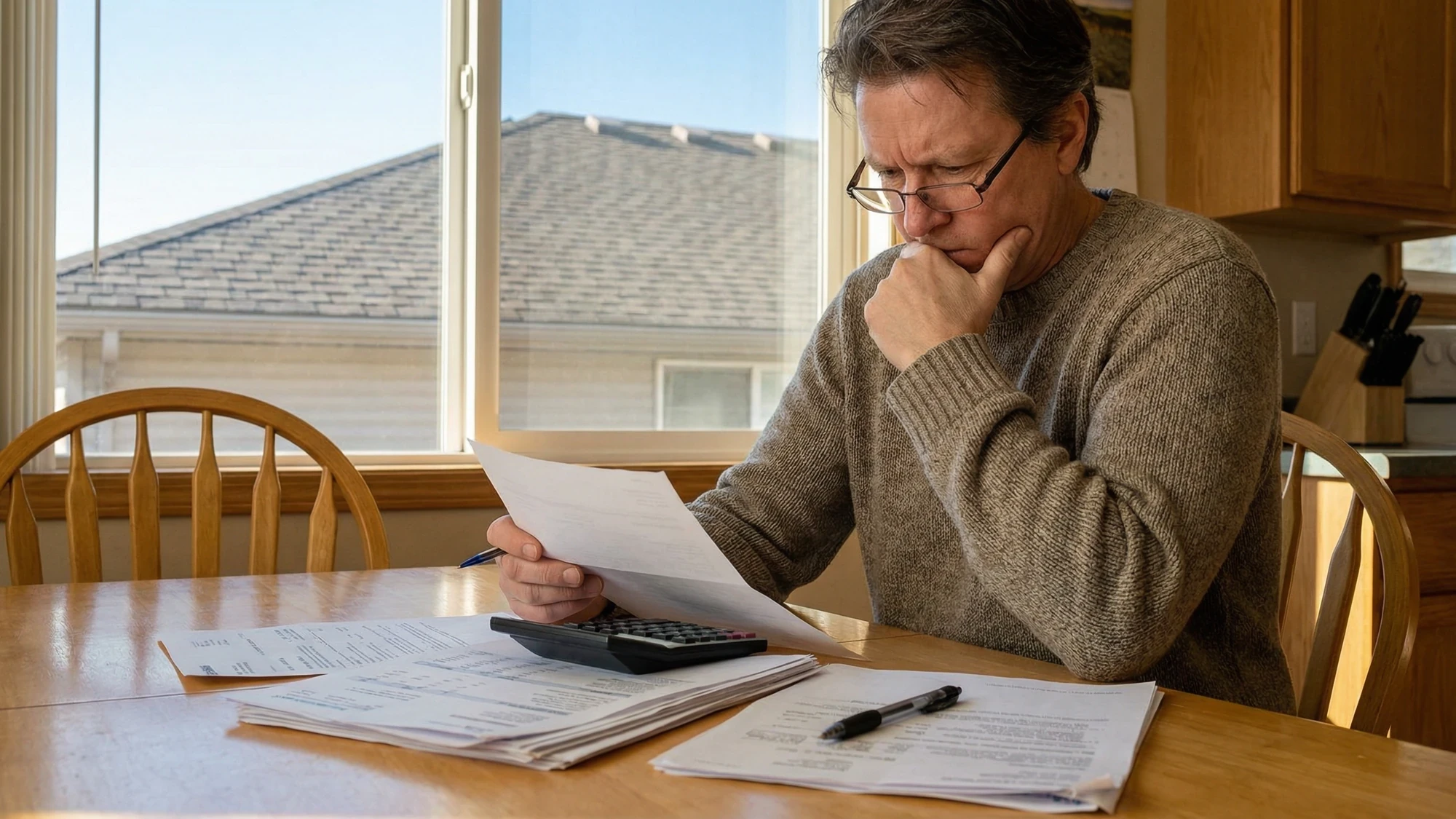
Financing
Understanding Roofing Financing Options
October 5, 2025 · Chaparosa Roofing · 5 min read
A New Roof Shouldn’t Break the Bank
A roof replacement is one of the most important investments you’ll make in your home — but it’s also one of the most expensive. With the average residential roof in the High Desert costing anywhere from $8,000 to $30,000 depending on materials and scope, it’s no surprise that financing is one of the first questions homeowners ask about.
The good news: you have more options than you might think. From contractor-offered payment plans to home equity products and insurance claims, there are multiple paths to getting the roof you need without draining your savings account. Here’s a comprehensive breakdown of each option.
Types of Roofing Financing
Contractor Financing
Many reputable roofing companies, including Chaparosa Roofing, partner with lending institutions to offer financing directly through the contractor. This is often the most convenient option because the application process is integrated into your roofing estimate — you can get approved and schedule your installation in one visit.
Contractor financing typically offers:
Fixed monthly payments over 3-15 year terms
Competitive interest rates based on credit score
Quick approval process (often same-day)
No home equity required
This option works well for homeowners who want a straightforward payment plan without the complexity of a separate loan application.
Same-as-Cash and 0% Interest Promotions
Some financing partners offer promotional periods — commonly 12 to 24 months — where no interest accrues as long as you pay the balance in full before the promotional period ends. These “same-as-cash” plans are an excellent option if you can budget to pay off the roof within that window.
A word of caution: if you don’t pay the full balance before the promotion expires, many plans will retroactively charge interest from the original purchase date at a rate that can exceed 20% APR. Make sure you understand the terms and have a realistic plan to pay it off in time.
Personal Loans
A personal loan from your bank, credit union, or online lender is another common way to finance a roof. Personal loans are unsecured, meaning you don’t put your home up as collateral.
Advantages:
No home equity needed
Fixed rates and predictable payments
Funds available quickly (often within days)
Loan terms typically 2-7 years
Considerations:
Interest rates are higher than secured loans (typically 6-18% APR)
Rates depend heavily on credit score
Shorter terms mean higher monthly payments
Home Equity Loan or HELOC
If you’ve built substantial equity in your home, a home equity loan or home equity line of credit (HELOC) can offer some of the lowest interest rates available for roofing financing.
Home equity loan gives you a lump sum at a fixed rate — ideal if you know your exact project cost.
HELOC provides a revolving credit line you draw from as needed — useful if your project scope might change or you’re planning additional home improvements.
Advantages:
Lowest interest rates (often 5-9% APR)
Interest may be tax-deductible (consult your tax advisor)
Longer repayment terms (10-30 years)
Larger loan amounts available
Considerations:
Your home serves as collateral
Longer approval process (2-6 weeks)
Closing costs and appraisal fees may apply
Risk of foreclosure if you default
Credit Cards
While not ideal for a full roof replacement, a credit card with a 0% introductory APR can work for smaller roofing projects like a repair or partial reroofing. Some cards offer 15-21 months of 0% interest on purchases.
This approach only makes sense if you can pay off the balance before the promotional rate expires. Carrying a $10,000+ balance at 20%+ APR is one of the most expensive ways to finance anything.
What to Look for in Any Financing Plan
Regardless of which option you choose, evaluate these factors before signing:
Annual Percentage Rate (APR)
The APR tells you the true cost of borrowing, including fees. Compare APRs across options rather than just monthly payment amounts — a lower monthly payment over a longer term can actually cost you more in total interest.
Loan Term
Shorter terms mean higher monthly payments but less total interest. Longer terms ease the monthly burden but cost more overall. Find the balance that fits your cash flow without paying excessive interest.
Fees and Penalties
Watch for origination fees, closing costs, prepayment penalties, and late payment fees. Some loans charge 1-5% of the loan amount as an origination fee, which effectively raises your cost. And make sure there’s no penalty for paying the loan off early if you come into extra funds.
Monthly Payment Affordability
Run the numbers on your household budget before committing. A roof payment that strains your finances every month isn’t a good plan, no matter how attractive the rate. Build in a buffer for unexpected expenses.
Navigating Insurance Claims
If your roof was damaged by a covered peril — wind, hail, fire, or a fallen tree — your homeowner’s insurance may cover part or all of the replacement cost. Here’s how the process typically works:
Step 1: Document the Damage
Take photos and notes immediately after the event. Don’t make permanent repairs yet, but do take reasonable steps to prevent further damage (tarping a hole, for example).
Step 2: File a Claim
Contact your insurance company to open a claim. They’ll assign an adjuster to inspect the damage.
Step 3: Get a Professional Inspection
Have a licensed roofing contractor inspect the damage independently. At Chaparosa Roofing, we provide thorough storm damage assessments and can meet with your insurance adjuster to ensure nothing is missed.
Step 4: Review the Adjuster’s Report
The insurance adjuster will prepare a scope of damage and cost estimate. Compare this with your contractor’s assessment. If there’s a significant discrepancy, your contractor can supplement the claim with additional documentation.
Step 5: Approve Repairs and Schedule Work
Once the claim is approved, you’ll pay your deductible and the insurance company pays the rest directly or reimburses you. Your out-of-pocket cost is typically just the deductible amount.
How Chaparosa Helps Make It Work
We’ve been helping High Desert homeowners finance their roofs since 1969. Here’s how we make the process easier:
Free estimates with financing options presented upfront — you’ll see your monthly payment alongside the total project cost
Partnerships with trusted lenders offering competitive rates and flexible terms
Insurance claims assistance from inspection through completion, including adjuster meetings and claim supplementation
No high-pressure sales — we present your options and let you decide on your timeline
As an Owens Corning Platinum Preferred contractor, our installations come with enhanced manufacturer warranties that protect your investment for decades. That peace of mind is included whether you pay cash or finance.
Take the Next Step
Don’t let cost concerns stop you from protecting your home. A leaking or deteriorating roof only gets more expensive the longer you wait. Explore our financing options or request a free quote to see the real numbers for your specific project. We’ll walk you through every option until you find the one that fits.


