Roof Repair
Permanent Roof Leak Solutions: Beyond Quick Fixes for Lasting Protection
October 5, 2025 · Chaparosa Roofing · 3 min read
A single roof leak can quickly escalate into thousands of dollars in damages if not addressed promptly. Yet, many homeowners opt for temporary patches that fail within months. This guide will help you recognize early warning signs, understand why short-term fixes lead to bigger problems, and explore proven permanent repair methods.
Spotting Roof Leaks Early
Catching a roof leak early means regularly inspecting your attic and roof junctions for signs of moisture. Check your attic monthly during dry spells for water stains, and after storms, scan the roof’s surface for compromised areas.
Key indicators include:
Ceiling stains signaling water penetration through the roof
Visible water droplets along rafters or soffits during rain
Musty odors from dampness and mold growth in attic insulation
Common Causes in Southern California
Southern California’s intense sun and occasional heavy rains accelerate wear on asphalt shingles, causing sealant lines to crack. High winds can dislodge roof tiles, and clogged gutters force water underneath roof edges.
Water intrusion weakens wooden structures, damages drywall, and promotes mold growth. Rotting wood compromises structural support, creating safety risks and potential insurance complications.
Why Temporary Fixes Fall Short
Quick fixes only address surface problems without tackling underlying material or installation issues. Temporary repairs trap moisture underneath, fostering mold, rot, and interior water stains.
Common patch methods and their drawbacks:
Method | Expected Lifespan | Limitation |
|---|---|---|
Tar Patch | 3–6 months | Cracks under intense heat |
Silicone Caulk | 6–9 months | Loses adhesion on wet surfaces |
Waterproof Tape | 1–3 months | Peels under ponded water |
Repeatedly patching your roof can double or even triple lifetime repair expenses and may invalidate roofing product warranties. DIY attempts present additional risks: fall hazards, improper materials that worsen leaks, warranty voiding through non-professional repairs, and potential code violations.
Permanent Repair Solutions
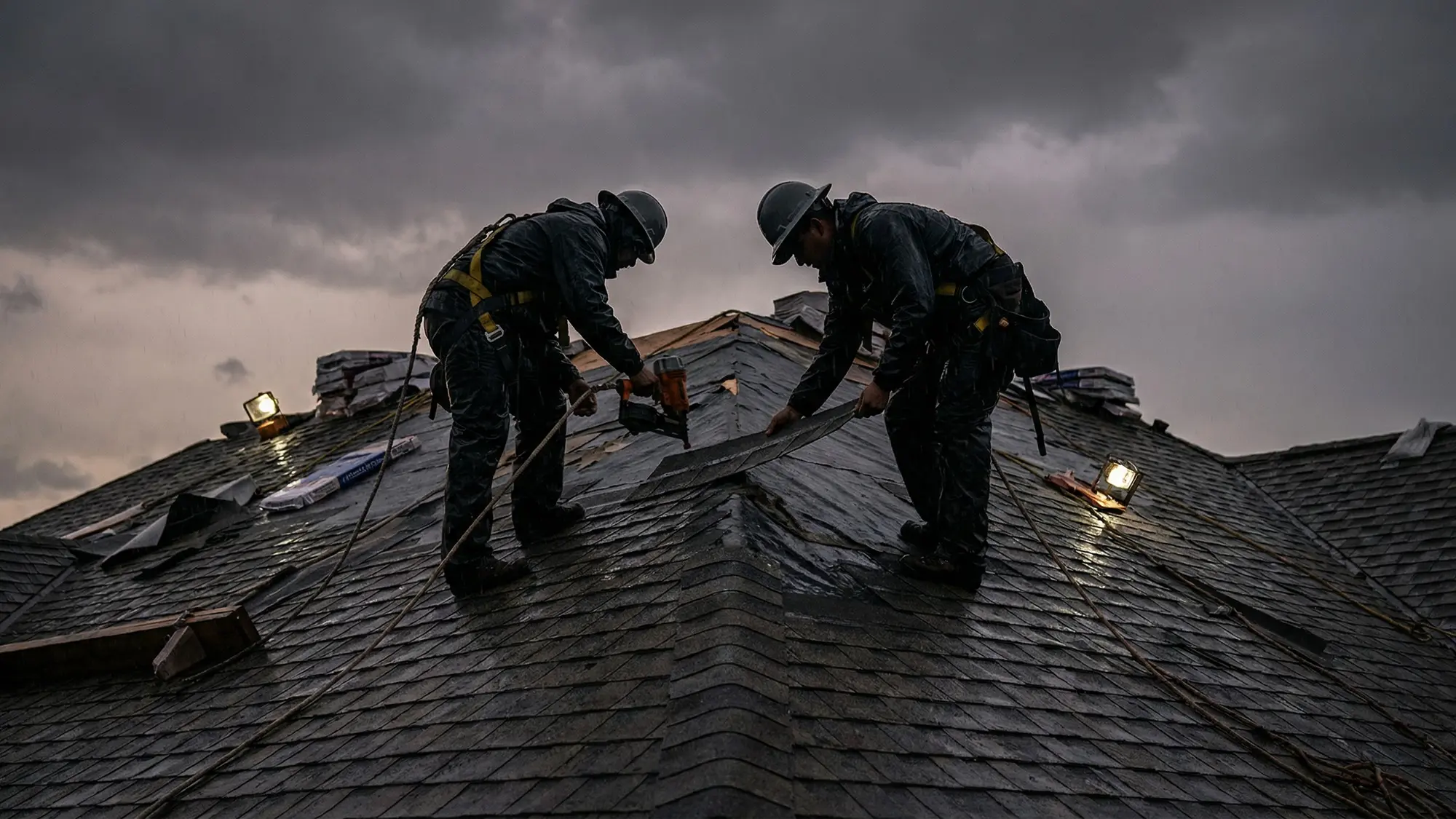
Permanent repairs restore the roof’s structural integrity through methods like flashing replacement and comprehensive shingle restoration, ensuring long-lasting water resistance.
Professional Leak Diagnosis
Expert leak detection involves detailed visual inspections, infrared moisture mapping, and controlled water tests to pinpoint leak origins precisely — minimizing unnecessary replacements.
Repair Techniques for Long-Term Durability
Technique | Lifespan | Benefit |
|---|---|---|
Flashing Replacement | 20+ years | Creates watertight seals around penetrations |
Shingle Replacement | 15–30 years | Restores uniform protective barrier |
Waterproof Membrane Lining | 25 years | Provides continuous underlayment defense |
For membrane roofs on commercial properties, passive roof leak detection systems (PRLDS) help identify leaks sooner, reducing water damage costs.
High-Quality Materials
Premium materials like copper or stainless steel flashing, durable synthetic underlayment membranes, and advanced polymer-modified sealants offer superior UV resistance and flexibility for decades of corrosion protection.
Preventing Future Leaks
Essential routine maintenance:
Clear gutters monthly to prevent water backup and overflow
Remove debris from roof valleys and surfaces after storms
Inspect roof vents semi-annually for obstructions or damage
Recommended inspection frequency: Schedule professional inspections annually and conduct quarterly walkthroughs to catch loose shingles, cracked sealants, or deteriorating flashing early.
Prevention strategies:
Install ridge and gable ventilation systems for balanced airflow
Apply ice and water shield along valleys and roof edges prone to pooling
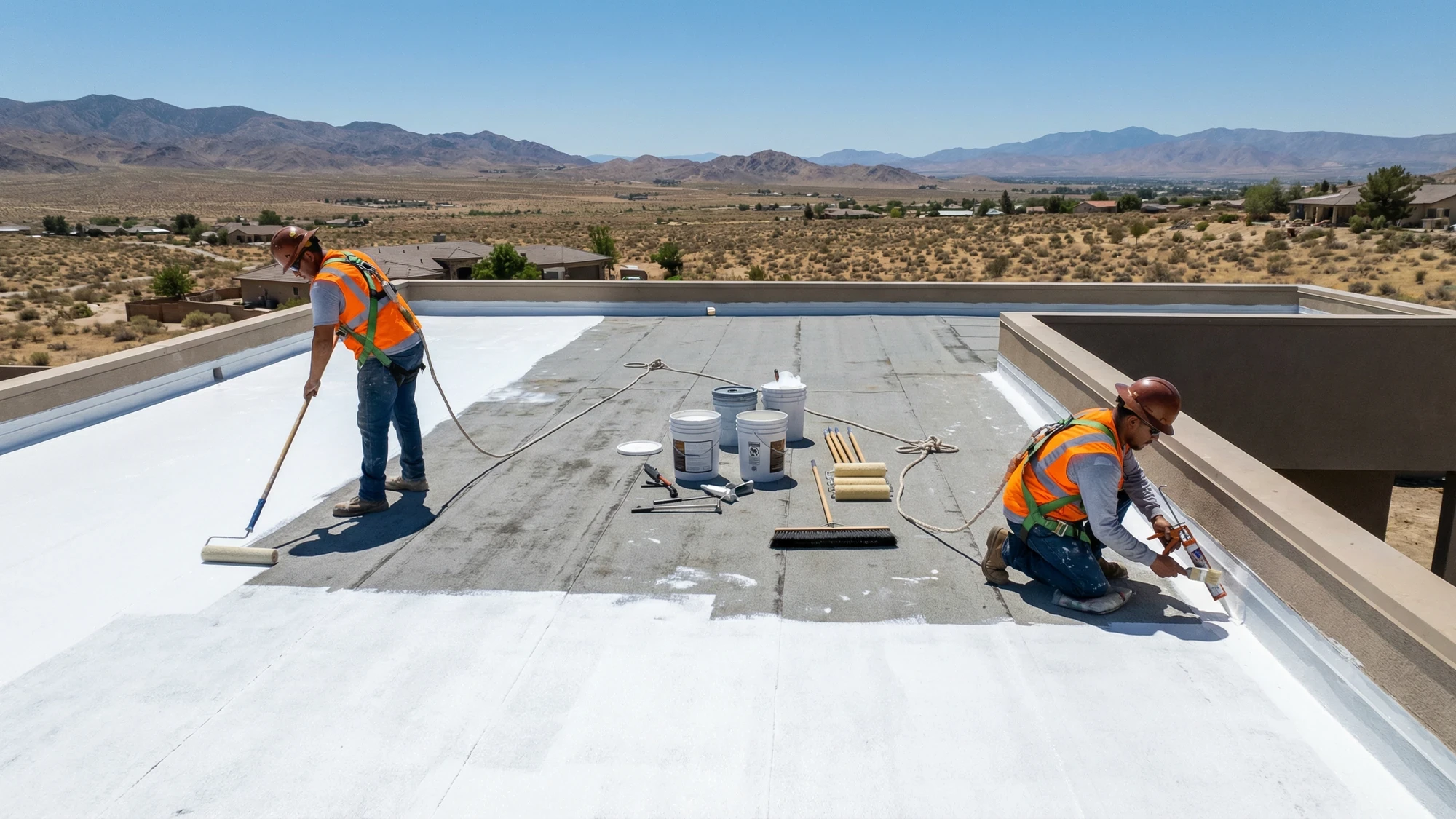
Use reflective roof coatings to minimize UV damage and temperature fluctuations
Cost Comparison: Permanent vs. Quick Fixes
Permanent, comprehensive repairs generally range from $800 to $2,500, varying based on leak severity, roof pitch, material choices, and labor. This covers diagnostics, damaged section removal, high-quality material installation, and professional quality checks.
Over ten years, professional repairs can save thousands in cumulative costs while preserving warranty coverage and boosting property value. Temporary patches at $200–$500 each add up quickly — and never solve the underlying problem.
A strong roof begins with accurate diagnosis and quality materials. Schedule a free estimate with Chaparosa Roofing and let our certified experts identify the right permanent solution for your roof.